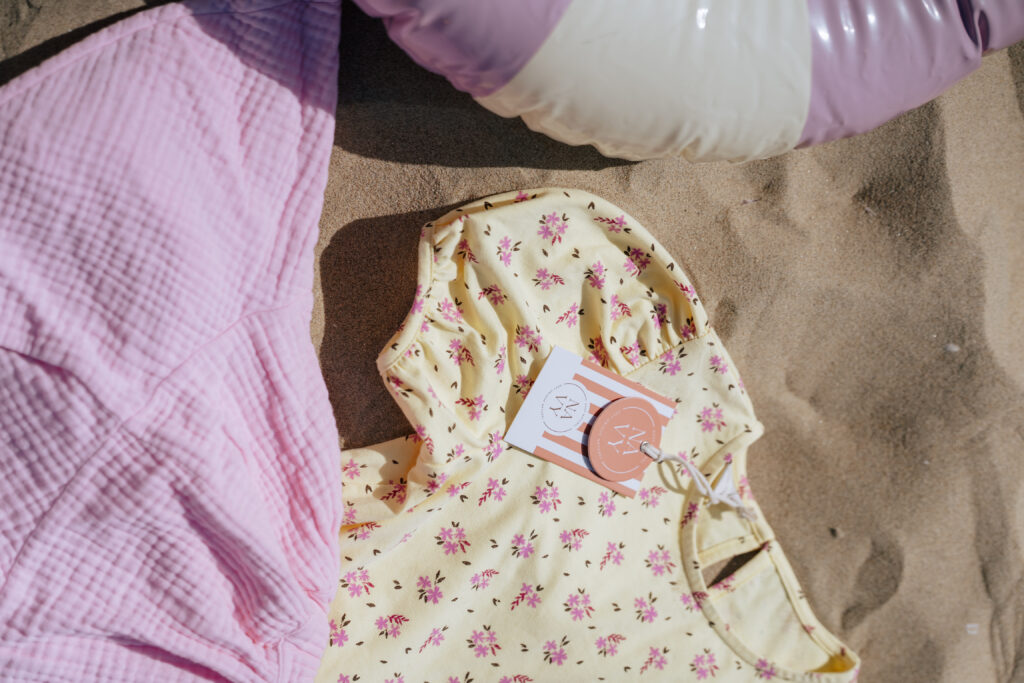
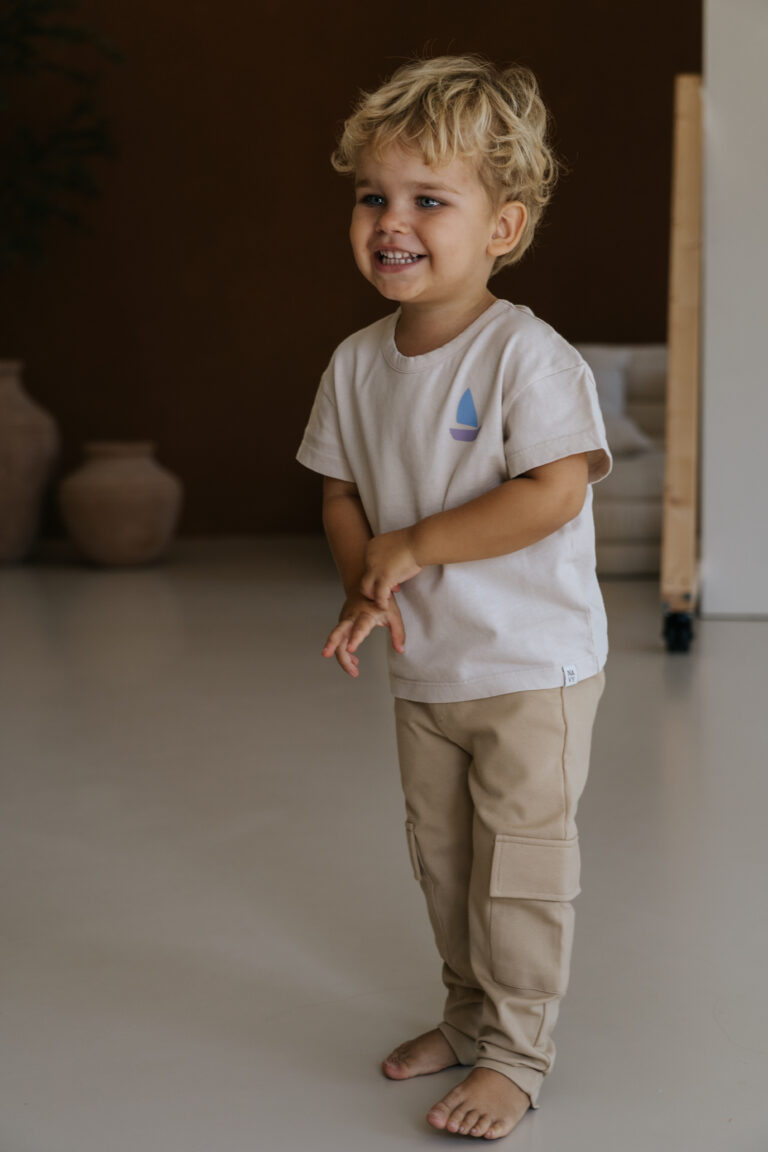
As a parent, you want just one thing: clothes that are comfortable, durable, and good for your child. But how can you really tell if children’s clothing is high-quality? Especially online…
In this blog, we’ll help you make informed choices so you can choose clothes for your kids that are not only stylish but also sustainable and comfortable!
Look at the fabric: this is the foundation of everything
Quality starts with the fabric.
Good children's clothing is made from:
- Natural materials such as cotton or linen
- soft, breathable fabrics
- Materials free of harmful chemicals
For example: Organic cotton (which our flared pants are made from) is much softer, more breathable, and gentler on your child’s skin. That makes it ideal for everyday wear, especially for sensitive skin.
Feel the softness
Children move, play, and explore the world. Their clothes need to move with them.
You can recognize quality by:
- a soft, often supple fabric
- no stiff or itchy materials
- comfort with every movement
You can tell right away when clothing is good quality—and when you shop online, this should be clearly described.
Check the finish and details
It’s the little things that really reveal the quality.
Notice:
- neat seams (no loose threads)
- sturdy stitching
- neatly finished edges
- fasteners that are simple yet sturdy
This ensures that clothing:
- lasts longer
- stays in place better
- stays comfortable, even after many washes
Will it still look good after washing?
You can tell true quality after use; good children's clothing:
- retains its color
- barely shrinks
- remains in the model
Fast fashion clothing often loses its shape after just a few washes—and therefore needs to be replaced sooner.
Pay attention to fit and comfort
Kids grow fast, but that doesn't mean their clothes should be uncomfortable.
Notice:
- elastic waistbands
- room to move
- no hard tags or seams
Children's clothing works with your child, not against them!
It’s a combination of high-quality materials, a soft feel, sturdy construction, and long-lasting comfort. By paying close attention to these factors, you’re not only making a better choice for your child, but also for the future.